EV Range Calculator — find the real range

Companies test range in the lab. This calculator shows the range you will actually get on Indian roads — after traffic, heat and passengers.

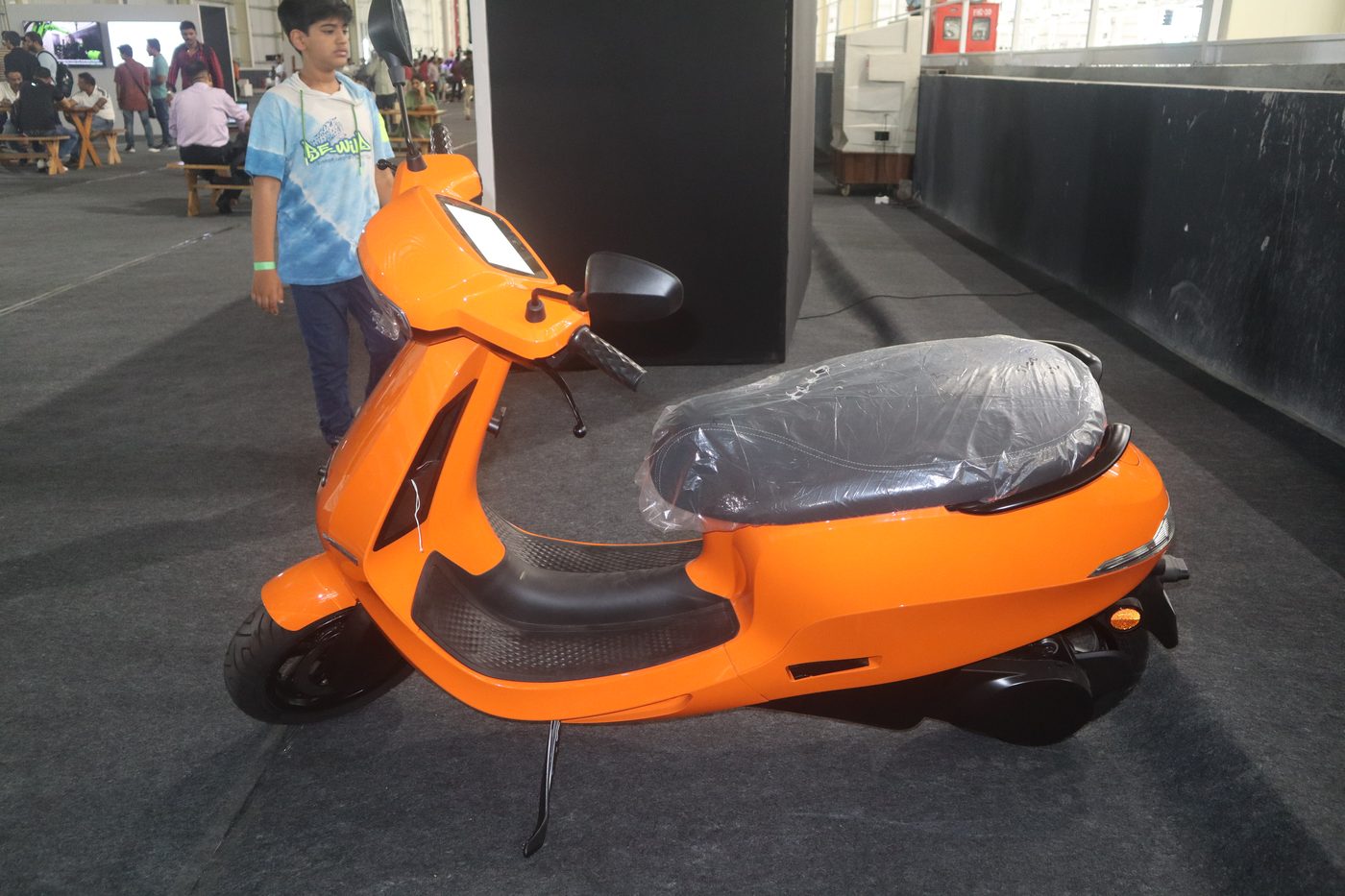
Electric scooter parked outdoorsPhoto: OLA factory (Wikimedia Commons, CC BY-SA 4.0) · Image credits

Real-range calculator

Scooters: 2–4 · Cars: 25–60
Scooters: 25–35 · Cars: 110–160
A passenger costs 10–20%
Speed is the biggest range killer
Climbs cost far more than descents return
Heat and cold both shave a little
Ideal range (full charge)
—
Your real range
—
Daily usable (20→80%)
—

How the calculation works

The ideal range is simple physics: battery watt-hours divided by efficiency. A 3 kWh (3,000 Wh) pack at 30 Wh per km is 100 km — that is also roughly what a test cycle measures, because test cycles assume a gentle throttle, a flat road and a single average-sized rider. Everything the rider adds on top comes off that number, and the factors above are measured from owner reports rather than marketing: pillion weight adds rolling resistance and torque demand, speed raises aerodynamic loss with the square of velocity, climbs borrow energy that descents only partly return, and battery chemistry simply delivers less when cells are very hot or cold.

The third result is the one that matters daily. You should rarely charge from 0 to 100% — lithium packs age slowest between roughly 20 and 80 percent, so the energy you can comfortably use each day is about 60% of the pack. A scooter with a 100 km real range therefore offers about 60 km of relaxed daily riding before you even think about plugging in. If your commute is 30 km round trip, you can forget the charger exists on weekdays. If the daily-usable number is close to your daily distance, you will be charging every night at 20% depth — workable, but tighter.

Want the money side of the same equation? Pair this with the charging cost calculator — the same efficiency figure drives both — and see what each real kilometre costs you. And if the number that came out seems low, read why EVs never show the claimed range before blaming the vehicle.

Frequently asked questions

How do I calculate real EV range myself?

Battery watt-hours ÷ Wh-per-km = ideal range. Then subtract 15–35% for rider conditions. The calculator above applies the same factors transparently — change one input and see which habit costs the most.

Does fast charging reduce range?

Not directly — but frequent DC fast charging accelerates battery ageing, and an aged pack holds less energy, which shows up as range loss over years rather than rides. Occasional fast charging is harmless; daily reliance on it is what shortens pack life.

Which single habit saves the most range?

Speed. Dropping from 70+ km/h cruising to 50–55 km/h typically returns 15–25% more range — more than any other change you control. Tyre pressure is the quiet second: 5% free range for two minutes with a pump.

Is the 20–80% charging rule really necessary?

Not strictly — modern battery management systems protect against the worst habits. But living between 20 and 80% measurably slows capacity fade, which is why every calculator on this site treats that window as the honest daily figure.