Real range in Indian conditions
The claimed-to-real conversion for cars mirrors scooters: assume 70–80 percent of the brochure figure in mixed use. A "500 km" car is a 350–400 km car in daily life. But the pattern within that number matters more than the number itself — EVs are most efficient in slow city traffic, where regenerative braking recovers energy at every stop, and least efficient on highways where aerodynamics punish speed. Many first-time owners are startled to watch their efficiency improve in a traffic jam.
Air conditioning costs 5–12 percent of range in Indian summers; it is worth knowing because it changes trip planning, not because it should change the purchase. A car with 350 km real range covers a month of typical urban commuting on two home charges — the range conversation only becomes serious for highway trips, where the charging calculator and a little route planning do the job.
Charging when you live in an apartment
This is the genuine friction point for Indian car buyers, and it deserves honesty. The good news: most housing societies now approve wall-box installations on a dedicated meter, typically at the resident's cost (₹15,000–40,000 installed depending on cable run and civil work). The process is administrative — a written application, the society's electricity vendor details, sometimes an NOC. Start it before the car arrives; installation takes 2–6 weeks from approval.
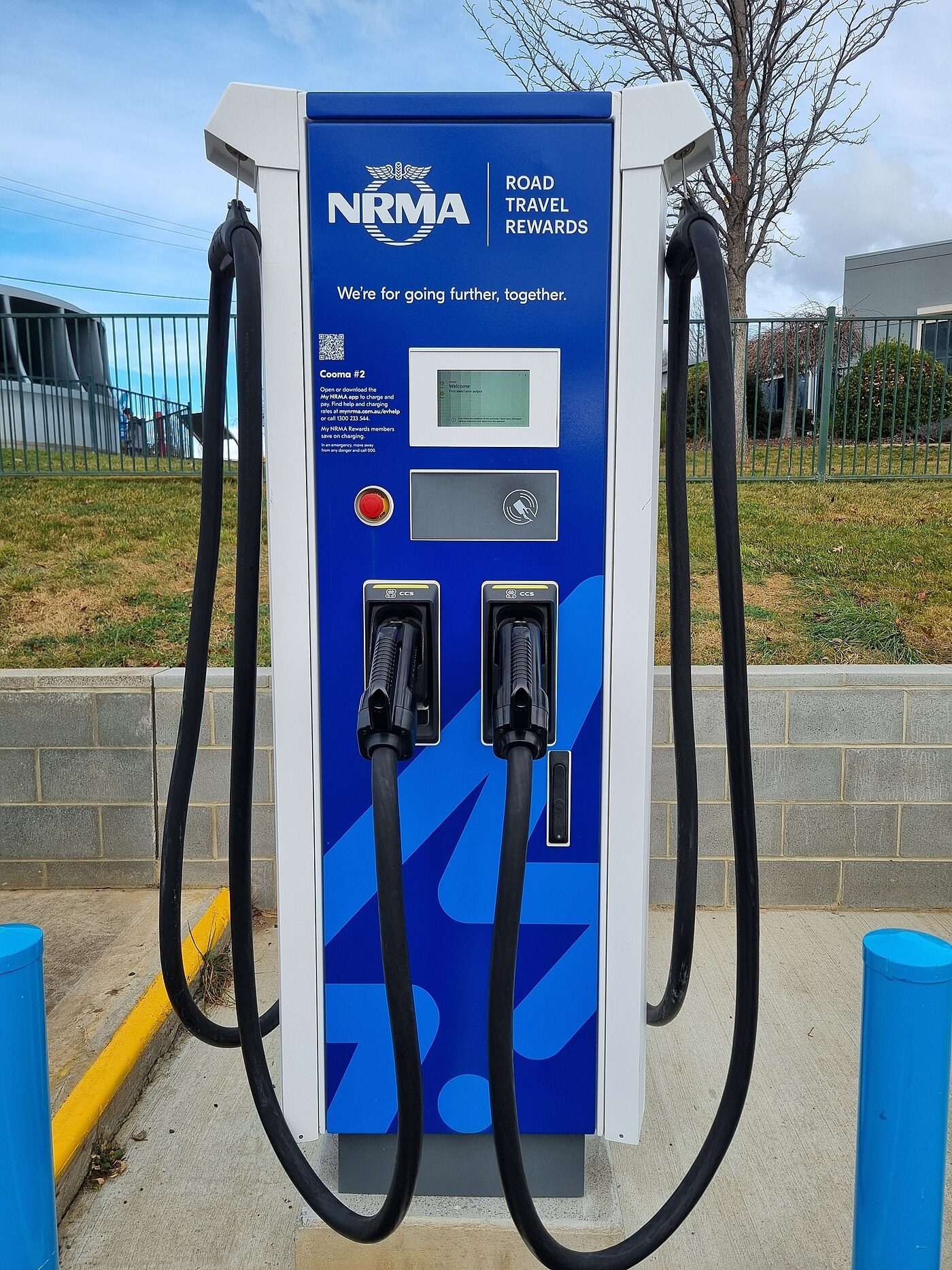
Where societies stall, owners survive on public AC chargers at malls, office parks and hotels — slower than home routine, workable for weekly charging. Our home charging guide covers the wiring and safety side in detail.
The running-cost reality
One expectation to set before the showroom: private electric cars get no central purchase subsidy. The government's PM E-DRIVE scheme covers two-wheelers and commercial EVs — e-rickshaws, e-trucks, e-buses — but not private cars. What a car buyer receives comes from the state layer: road-tax exemption worth ₹50,000–1,00,000+ on a ₹15 lakh vehicle in most states, reduced registration fees, and occasional state-level incentives. The subsidy guide breaks down how to verify your state's current package before you book.
Home charging at ₹8 per unit and 140 Wh/km efficiency gives about ₹1.10 per km; a comparable petrol sedan at 14 km per litre and ₹105 per litre costs ₹7.50. For a driver covering 1,200 km a month, that is roughly ₹1,300 versus ₹9,000 — a monthly saving near ₹7,700, or ₹92,000 a year. It is the scale of this gap that has moved electric cars from curiosity to family decision in Indian cities.
Maintenance repeats the pattern. No oil changes, no gearbox service, few fluids, and brakes that last longer because regeneration handles much of the braking. Scheduled costs run 30–50 percent below petrol equivalents. The main recurring items are tyres — EVs are heavy and torquey, so tyre wear is real — and cabin filters.
Highway trips, honestly
An EV road trip is a different rhythm: 250–300 km legs with a 30–45 minute charging stop that doubles as lunch. Highway networks along major corridors (the Delhi–Jaipur, Mumbai–Pune, Bangalore–Chennai class of routes) are now genuinely usable, and the charging app ecosystem has consolidated enough that one or two apps cover most stations. But the planning is real: you schedule around chargers, and hill routes deserve a range buffer. Families doing frequent long trips often keep one petrol vehicle for exactly this reason — two-car households running one EV and one petrol car are the quiet majority of India's EV converts.